


Nigeria’s football failures have moved from public frustration to a formal inquest.
The Nigeria Football Federation has constituted a fact-finding committee to examine the recent poor performances of the country’s national teams, with the Super Falcons’ failed 2027 FIFA Women’s World Cup qualification campaign among the major setbacks under scrutiny.
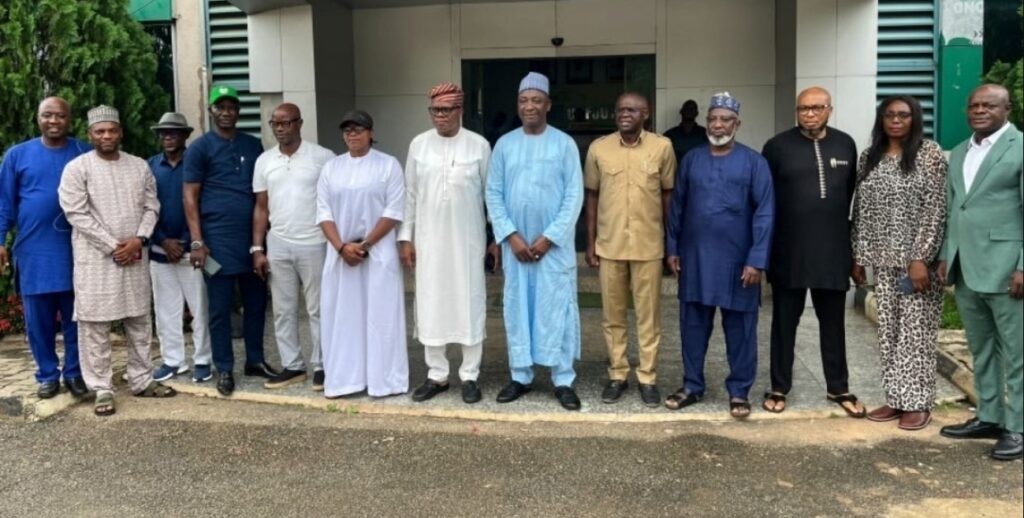
Former NFF General Secretary Fanny Amun chairs the panel, with former Flying Eagles coach Ladan Bosso, former Super Falcons captain Desire Oparanozie, former Super Eagles captain Mutiu Adepoju and former FIFA referee Alex Mana among its members.
Mohammed Nasiru Sa’idu will serve as secretary.
The move places Nigeria’s football administration under sharper pressure after a bruising period in which the country’s most successful women’s national team saw its uninterrupted Women’s World Cup record come to an end.
The Super Falcons entered the 2026 Women’s Africa Cup of Nations as defending champions and Africa’s most successful women’s national side.
Their failure to secure qualification for Brazil 2027 therefore landed with weight far beyond an ordinary tournament defeat.
Nigeria missed the direct qualification places available through WAFCON and were pushed into the secondary African play-off route, where South Africa ended their remaining World Cup hopes.
The NFF had already acknowledged the scale of the setback.
Federation president Ibrahim Musa Gusau apologised to Nigerians following the Super Falcons’ failure and said the federation would examine preparation, technical planning, logistics and overall operations.
Hardened into a formal review
The pressure on the committee is not simply to record what happened. Its greater task is to identify why Nigeria’s national teams have fallen short, where responsibility lies and whether the weaknesses are technical, administrative, developmental or spread across the system.
Nigeria does not lack football history, talent or expectation. The question confronting the federation is whether the structures around those assets are delivering enough when tournament survival, qualification and national credibility are on the line.
Oparanozie brings direct experience of the Super Falcons environment. Bosso carries national youth-team coaching knowledge. Adepoju offers the perspective of a former Super Eagles captain, while Amun has worked inside the federation itself.
That mix gives the panel a view across several layers of Nigerian football.
It also raises the standard by which its work will be judged.
A review that simply catalogues defeats will not answer the pressure now facing the NFF. What matters is whether the investigation produces findings capable of changing preparation, technical decision-making and national-team management before another campaign reaches crisis point.
For years, Nigeria’s football reputation has carried enormous expectations.
Now the federation has opened an examination of the setbacks.
What happens after the committee reports will show whether this becomes the beginning of correction or simply another response to a painful result.
Cranse Sports
News For Fans Who Read The Game
