


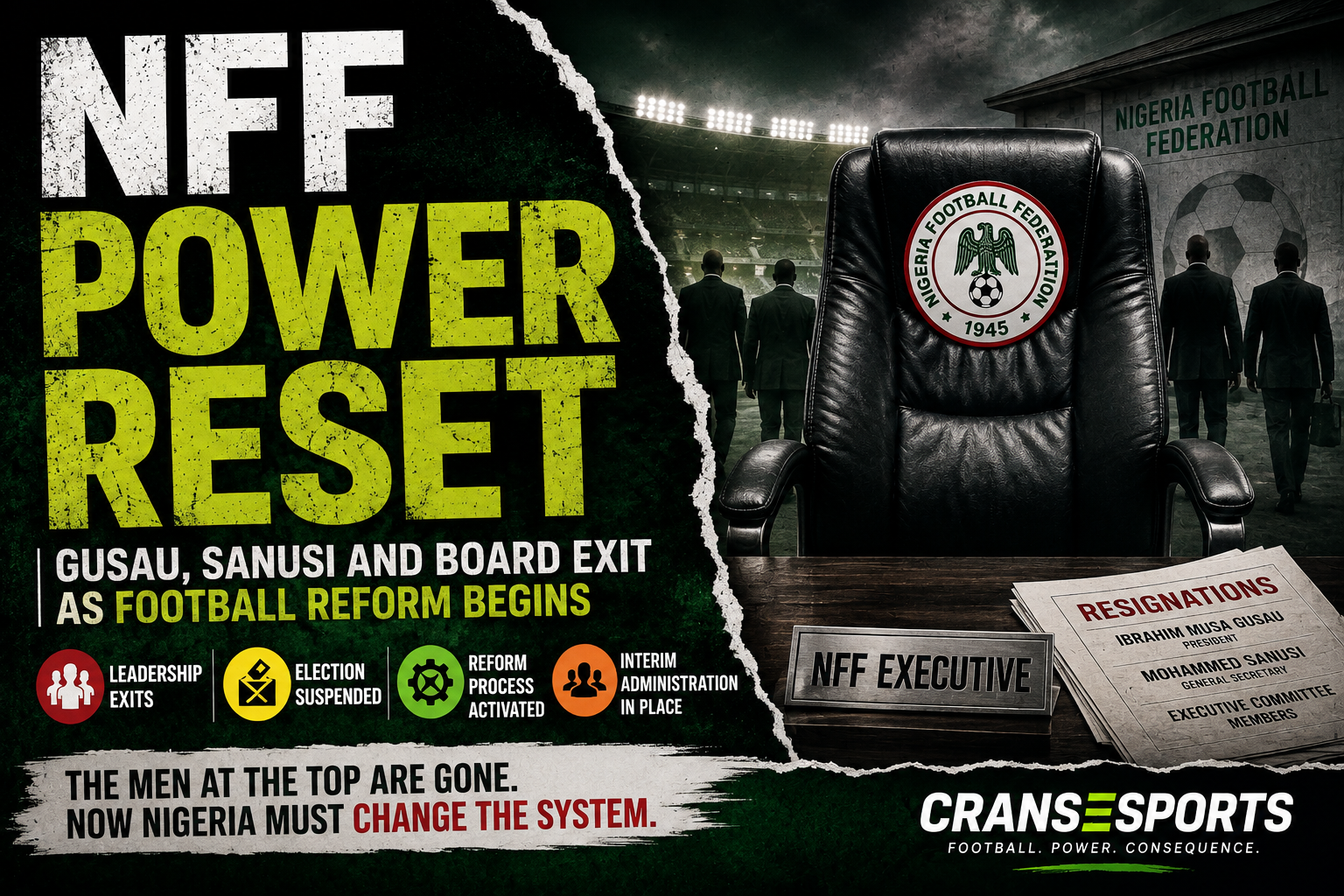
Nigeria’s football leadership has been blown open after Nigeria Football Federation president Ibrahim Musa Gusau, General Secretary Mohammed Sanusi and members of the federation’s Executive Committee resigned, clearing the way for a sweeping reform of the country’s football system.

The NFF confirmed the departures on Thursday, August 27, saying Gusau stepped down just 34 days before the scheduled end of his four-year tenure. He had been elected president at the federation’s congress in Benin City on September 30, 2022.
Gusau said his resignation followed consultations with family, friends and football stakeholders and was taken in what he described as the overriding interest of Nigerian football.
National-Team Failures Turn Up the Pressure
His exit is more than a change of personnel at the top.
It comes after a sequence of damaging national-team failures intensified pressure on the federation and sharpened questions around how Nigerian football is governed.
The NFF linked the resignations to national dissatisfaction over recent performances by Nigeria’s teams, including the Super Falcons’ failure to secure direct qualification for the 2027 FIFA Women’s World Cup.
Now that sporting pressure has collided with an institutional reset.
Tinubu Orders Wider Nigerian Football Reform

President Bola Tinubu has directed a comprehensive reform of Nigerian football, identifying governance, administration, stakeholder representation, development pathways, domestic competitions and accountability among the areas requiring change.
The intervention moves the crisis beyond the departure of one president or one executive committee.
The structure around which Nigerian football has been administered is itself under review.
Tinubu said the country’s most popular sport had continued to struggle with structural weaknesses despite Nigeria’s talent, public support and investment.
He directed the National Sports Commission to work with the NFF Secretariat and relevant stakeholders on a broad reform process that will include engagement with FIFA and CAF.
Ikpeme Takes Interim Control of NFF Secretariat
The transition has already produced immediate changes.
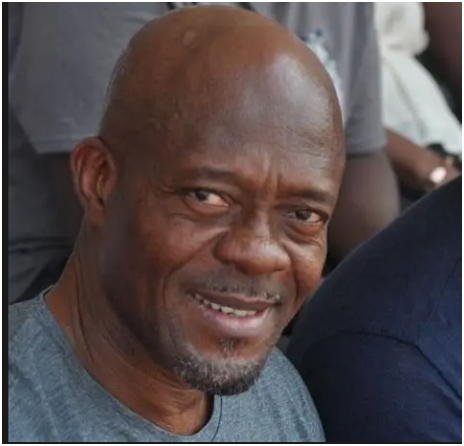
Former Deputy General Secretary Emmanuel Ikpeme has been endorsed to oversee the NFF Secretariat as interim General Secretary, while former Director of Media and Communications Ademola Olajire will serve as interim Deputy General Secretary.
The appointments are intended to keep essential football administration running while the wider reform process takes shape.
September 27 NFF Election Suspended
The federation has also suspended all processes leading to the Elective Congress previously scheduled for September 27 in Lafia.
That election had already moved deep into its timetable, with the NFF Electoral Committee previously setting out dates for candidate screening, appeals, campaigning and the publication of delegates.
All of that has now been stopped, with the federation saying a fresh electoral process will begin after the proposed reforms.
Governance Shake-Up Reaches Nigeria’s Domestic Leagues
The shockwave extends into domestic league administration.
The NFF has directed the chairmen, appointed directors and chief executives of the Nigeria Premier Football League, Nigeria National League, Nigeria Women Football League and Nationwide League One to hand administration to their Chief Operating Officers under the interim arrangement.
That puts some of the most important operating structures in Nigerian club football directly inside the transition.
Gusau Era Ends — But the Bigger Test Begins
For Gusau, the resignation abruptly ends a presidency that began in September 2022 and was due to reach the end of its four-year term next month.

But the pressure now moves beyond Gusau himself.
The central question is no longer simply who replaces him.
It is what Nigerian football will look like when the reform process ends — who controls its institutions, how its leagues are governed, how accountability is enforced and whether another leadership change can finally translate Nigeria’s enormous football resources into sustained results.
For supporters who have watched repeated resets promise renewal, the pressure on this one is immediate.
Nigeria is changing the people at the top.
The harder test is whether it can finally change the system beneath them.
