



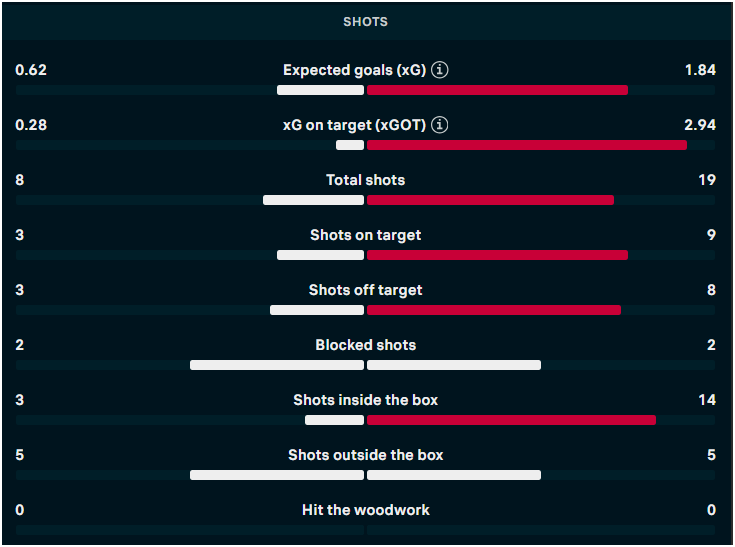
19 shots, nine on target, no goal: Cameroon make Super Falcons pay
Nigeria had more of the ball. More shots. More touches inside the penalty area. More big chances.
Cameroon had the only number that ultimately mattered.
The Indomitable Lionesses beat the Super Falcons 1–0 in Casablanca to end Nigeria’s defence of the Women’s Africa Cup of Nations and advance to the semi-finals, securing direct qualification for the 2027 FIFA Women’s World Cup in Brazil.
For Nigeria, this was not a defeat shaped by an absence of attacking pressure.
It was a defeat made more painful by how much pressure produced nothing.
And still the Super Falcons scored none.
That is the brutal contradiction facing coach Justine Madugu and his players after their title defence collapsed: Nigeria generated considerably more attacking volume but could not turn it into the equaliser they needed.
Nigeria got forward — but could not finish
The attacking advantage went beyond the shot count.
Nigeria registered 32 touches inside Cameroon’s penalty area compared with 10, while completing 75 of 125 attempted passes in the final third. Their expected-assists figure stood at 1.23, against Cameroon’s 0.41.
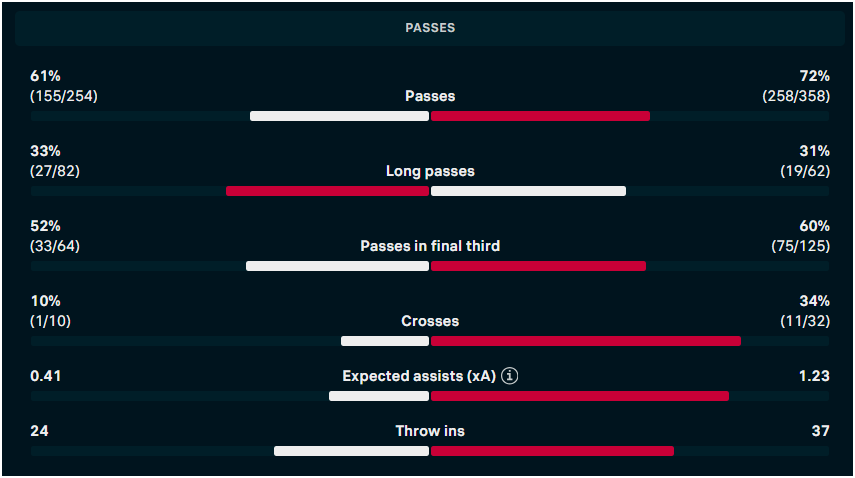
Those numbers point to repeated Nigerian entries into dangerous territory.
The decisive failure came at the end of those moves.
Nine efforts reached the target. Four big chances were recorded. None produced a goal.
The match report identified Achta Toko Njoya as Cameroon’s scorer, with the teenager beating Chiamaka Nnadozie from a first-half free-kick.
From that moment, the contest became a test of whether Cameroon could protect the advantage and whether Nigeria could finally turn pressure into an equaliser.
Nigeria never found one.

Cameroon absorbed the pressure
The defensive numbers underline the resistance Nigeria faced.
Cameroon finished with 47 clearances, compared with 15 for the Super Falcons, while their goalkeeper was credited with nine saves.
The xG-on-target numbers also heavily favoured Nigeria, at 2.94 against Cameroon’s goal compared with 0.28 at the other end.
The picture is difficult to miss.
Cameroon spent significant periods protecting a narrow advantage while Nigeria continued to push forward.
This was not a night in which the Indomitable Lionesses simply overwhelmed the defending champions.
Nigeria produced the greater attacking volume.
Cameroon took the decisive moment — and defended it.
At knockout level, that was enough.
History offered Nigeria no protection
The defeat carries extra weight because of Nigeria’s dominance of this rivalry.
CAF noted before the quarter-final that Cameroon and Nigeria were preparing for their 14th meeting at the WAFCON finals, making it the competition’s most-played fixture.
Nigeria had overwhelmingly controlled the previous tournament encounters.
They also arrived in Morocco as defending champions and the dominant force in the competition’s history.
But warning signs had appeared during this campaign.
Nigeria suffered a shock defeat to Malawi during the group stage before recovering to reach the knockout rounds.
Cameroon arrived with a different trajectory, finishing top of Group D unbeaten, with two victories and a draw.
History made Nigeria favourites.
Sunday’s scoreboard made history irrelevant.
A World Cup consequence — but not the end of the road
Cameroon’s victory did more than remove the defending champions.
The quarter-final carried direct qualification for Brazil 2027, meaning the Indomitable Lionesses secured a World Cup ticket alongside their semi-final place.
Nigeria therefore lost the direct qualification route available through this match.
But the Super Falcons’ World Cup campaign is not automatically over.
FIFA’s qualification structure gives defeated WAFCON quarter-finalists a further route toward the FIFA Play-Off Tournament, leaving Nigeria with another path to Brazil 2027.
That battle comes next.
Before then, the Super Falcons have a more immediate question to confront.
How does a team produce 19 shots, nine on target, four big chances and 32 touches inside the opposition penalty area and still leave a knockout match without a goal?
The numbers will fuel arguments about finishing, execution and missed opportunities.
The scoreboard has already delivered the verdict.
Nigeria had 19 shots. Nine were on target. Cameroon had the goal.
That was enough to end the champions’ reign.
